
AI workflow automation is transforming the way industries operate in the U.S., unlocking faster decision‑making, reduced errors and cost savings【806296937880649†L308-L316】. A Deloitte survey found that 94 % of business leaders believe AI will be critical for success within the next five years【806296937880649†L331-L333】. Five sectors stand out:
1. Financial Services and Banking
Financial institutions generate large volumes of structured and unstructured data. AI automation now handles transaction monitoring, KYC validation, fraud detection and reconciliation, reducing processing costs by up to 30 %【806296937880649†L342-L356】. These technologies detect anomalies in real time, validate data across multiple systems and route exceptions for human review, leading to faster cycles and fewer errors【806296937880649†L351-L355】.
2. Healthcare and Life Sciences
Healthcare professionals lose 34 % of their time to administrative tasks that could be automated【806296937880649†L369-L374】. AI workflows automate document intake, patient scheduling, claims adjudication and compliance reporting, improving accuracy and patient outcomes【806296937880649†L376-L392】. In life sciences, automation accelerates clinical trial management and ensures regulatory compliance【806296937880649†L383-L386】.
3. Logistics and Supply Chain
Modern supply chains span continents and systems. Gartner predicts 75 % of large enterprises will adopt AI‑driven supply chain management tools by 2026【806296937880649†L401-L404】. AI workflow automation enables logistics firms to predict inventory shortages, optimize delivery routes, streamline customs documentation and automate supplier communications【806296937880649†L394-L414】. This improves resilience and agility during disruptions【806296937880649†L413-L415】.
4. Legal and Professional Services
Up to 44 % of legal work can be automated using current AI capabilities【806296937880649†L418-L425】. AI models extract clauses, summarize contracts and identify risks, allowing lawyers to focus on interpretation and negotiation【806296937880649†L426-L440】. Automation standardizes procedures, increases billable efficiency and enhances compliance【806296937880649†L426-L435】.
5. Manufacturing and Industrial Operations
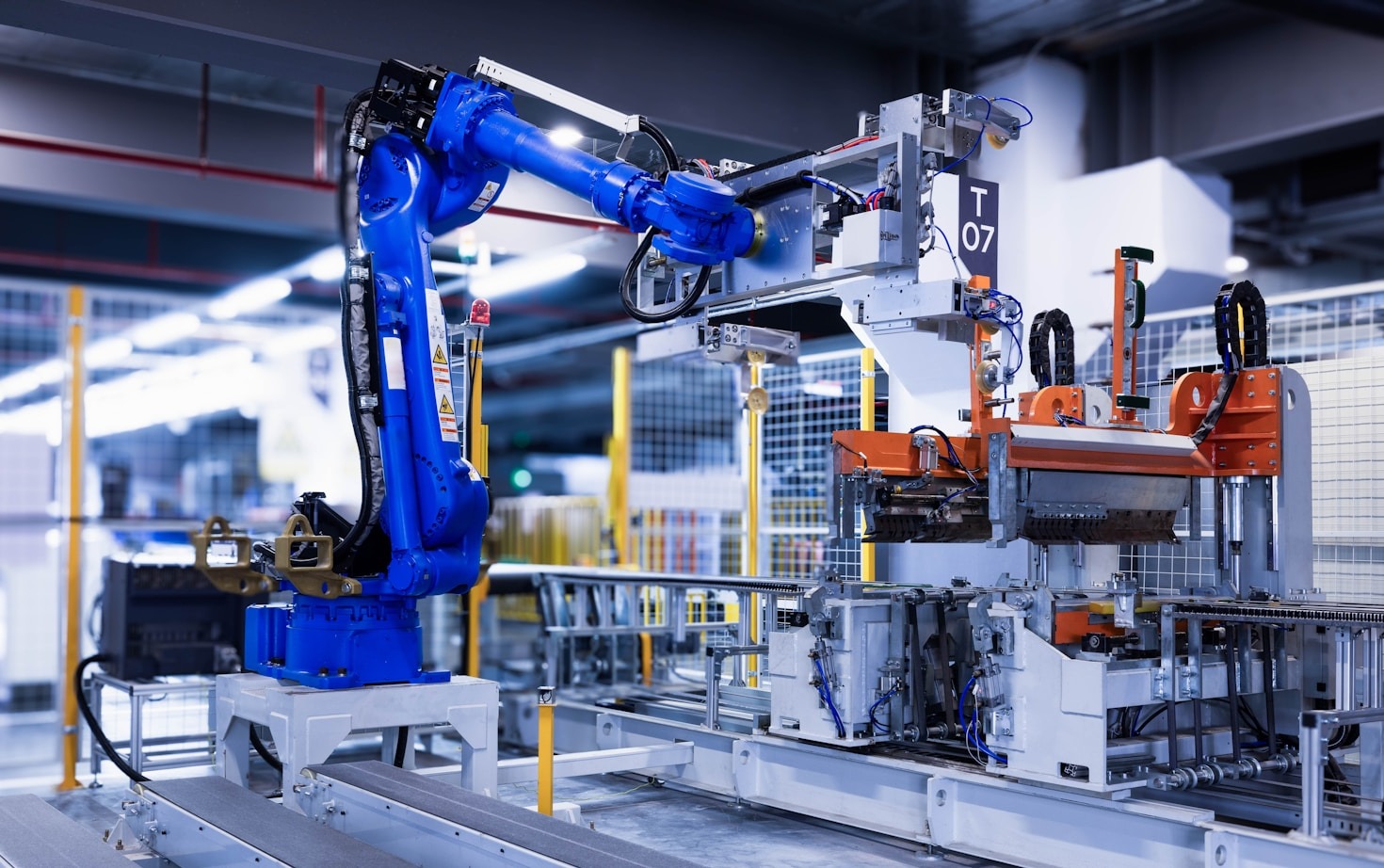
Smart factories integrate sensors, PLCs, manufacturing execution systems (MES) and enterprise resource planning (ERP) data. AI automation enables predictive maintenance, defect detection and optimized scheduling, reducing downtime by up to 50 %【806296937880649†L449-L452】. IIoT platforms provide continuous data analysis, identifying anomalies and initiating corrective workflows automatically【806296937880649†L449-L457】.
Call to Action
If your organization operates in one of these industries, schedule a call to discover how automation can cut costs and boost innovation. Our experts will help you develop a tailored AI automation roadmap.
Leave a Reply